Dead Tree Removal in Allentown, PA
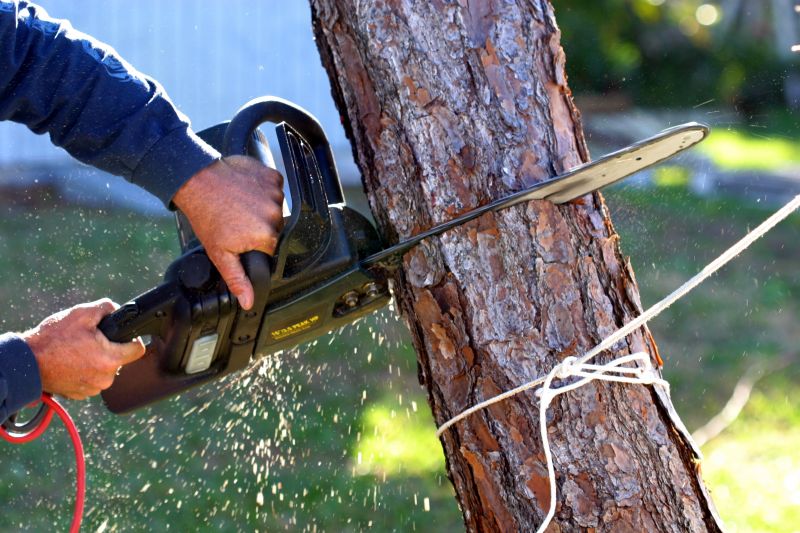
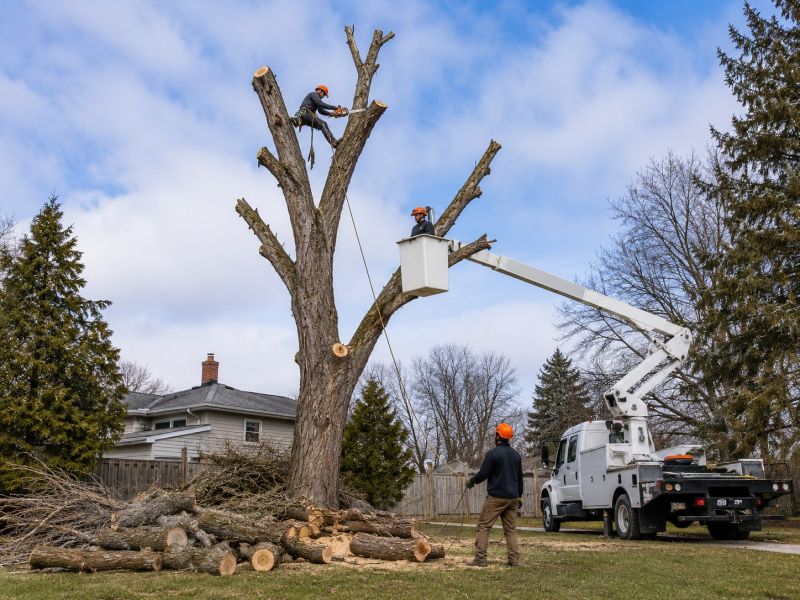
Dead tree removal services involve safely taking down trees that are dead, dying, or pose a risk to nearby structures and landscape. These projects typically include assessing the condition of the tree, planning the safest method for removal, and then carefully cutting and removing the tree and its debris. Property owners often request this service when a tree shows signs of decay, extensive damage from storms, or when it obstructs views, pathways, or utility lines, ensuring the safety and aesthetic appeal of the property are maintained.
Before requesting dead tree removal, property owners should consider the location of the tree, nearby structures, and potential access points for equipment. It’s also helpful to understand whether the tree is situated in a space that requires special equipment or techniques, such as in tight spots or near power lines. Clarifying these details can help determine the best approach for removal and ensure the process is conducted efficiently and safely.
Many property owners in Allentown, PA look into Dead Tree Removal for repairs, replacements, upgrades, and appearance-related improvements.
Signs A Dead Tree Needs Removal
Dead or dying trees can pose safety hazards and may cause property damage.
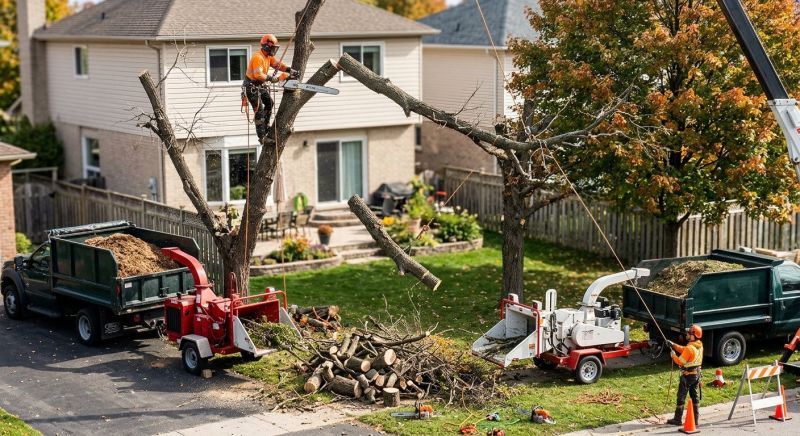
Benefits Of Dead Tree Removal
Removing dead trees helps prevent falling branches and maintains the health of surrounding plants.
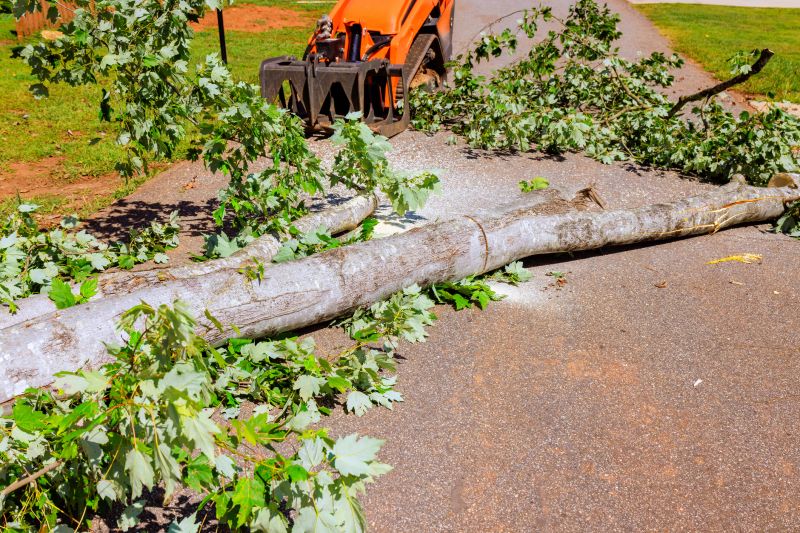
Common Dead Tree Removal Methods
Techniques include careful cutting, stump grinding, and complete removal to suit different property needs in allentown, pa.
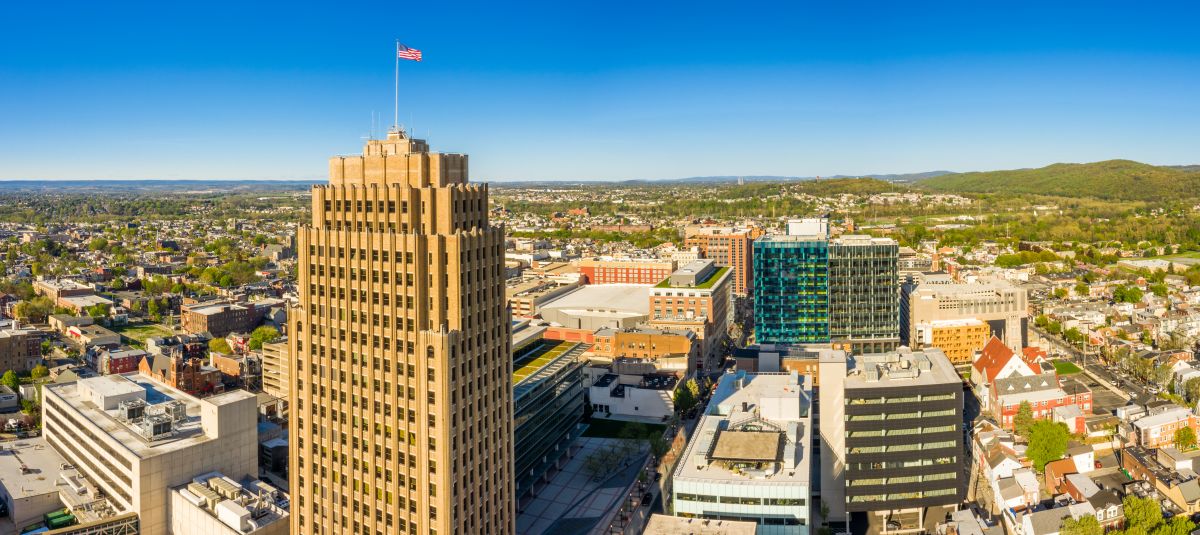
Dead Tree Removal in Allentown, PA
Dead tree removal services involve safely taking down trees that are dead, dying, or pose a risk to nearby structures and landscape. These projects typically include assessing the condition of the tree, planning the safest method for removal, and then carefully cutting and removing the tree and its debris. Property owners often request this service when a tree shows signs of decay, extensive damage from storms, or when it obstructs views, pathways, or utility lines, ensuring the safety and aesthetic appeal of the property are maintained.
Before requesting dead tree removal, property owners should consider the location of the tree, nearby structures, and potential access points for equipment. It’s also helpful to understand whether the tree is situated in a space that requires special equipment or techniques, such as in tight spots or near power lines. Clarifying these details can help determine the best approach for removal and ensure the process is conducted efficiently and safely.
Many property owners in Allentown, PA look into Dead Tree Removal for repairs, replacements, upgrades, and appearance-related improvements.
Common Dead Tree Removal Jobs
Dead Tree Removal - safely removes hazardous or decayed trees to protect property.
Stump Grinding - eliminates remaining stumps to prevent regrowth and improve yard appearance.
Emergency Tree Removal - handles urgent situations involving fallen or unstable dead trees.
Tree Clearing - clears dead trees from construction sites or landscaped areas.
Land Clearing - removes dead trees to prepare land for new landscaping or development.
Hazard Tree Assessment - evaluates dead trees for risk and recommends removal if necessary.
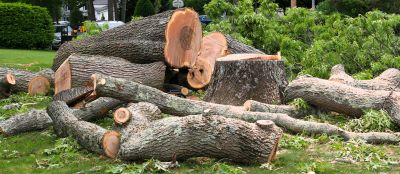
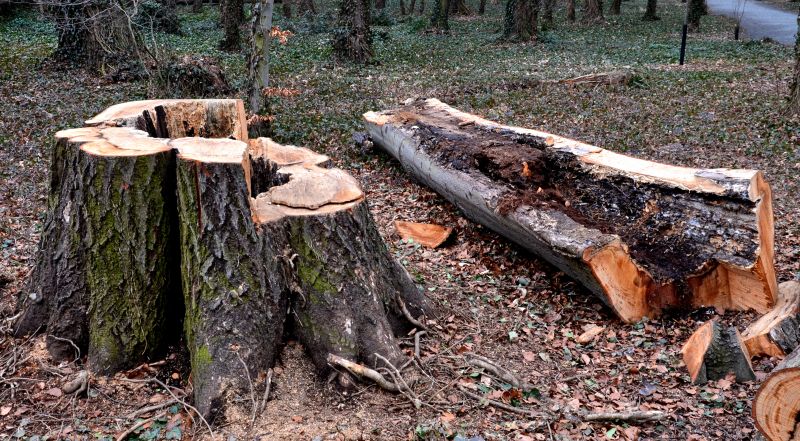
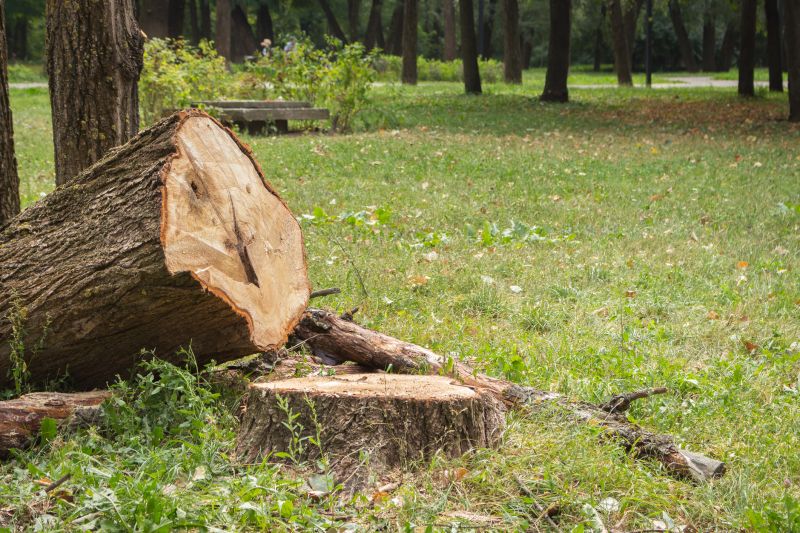
Dead Tree Removal Questions
What types of trees are suitable for removal? Any dead or hazardous trees, regardless of size or species, can be considered for removal to ensure safety and property health.
Why remove a dead tree? Removing dead trees reduces the risk of falling branches or complete toppling, which can protect people and nearby structures.
How does dead tree removal benefit a property? Clearing dead trees improves landscape appearance and prevents potential damage from falling limbs or decay spreading to healthy trees.
Is it necessary to remove trees close to buildings? Yes, dead or unstable trees near structures pose safety risks and are often recommended for removal to prevent damage.
Request Dead Tree Removal in Allentown, PA
Use the quote form on this page to share the basics of your project and request more information for the type of work you need.